

Neurodiversity-Basics Bundle

Put Your Neurodiversity-Affirming Values into Action


Learn practice-changing strategies to align your work with your deepest neurodiversity-affirming, person centered values. The neurodiverse panel teaching these ten 1.5 hour talks includes some of the most powerful voices in our field.

Each 1.5 hour talk is registered for CE credit with ASHA, AOTA (1.5 contact hours), 1.5 NBCC hours, and NASP. Get one year on demand access when you register. Registration closes 12/16/25.

Two light toned hands are typing on a computer. There is a cactus next to the computer on a brown desk.
NASP Approved Provider
NBCC Approved Provider
Investment

The cost is $376 and includes ten 1.5 hour courses (15 credit hours of recorded content).

Access

You’ll have access to all ten talks for one year from your date of purchase.

Continuing Education

Each 1.5 hour talk is registered for CE credit with ASHA, AOTA (1.5 contact hours), 1.5 NBCC hours, and NASP.

FAQs

Information about completion requirements, accommodations, and more can be found in the FAQs.

Neurodiversity Basics Bundle

Speakers & Presentations

We’ve gathered a neurodiverse panel who have dedicated their careers to understanding the deepest needs of our Autistic clients and sharing it with others. Their talks will transform how you think about supporting your neurodivergent clients and fill your toolbox to the brim with concrete strategies you can use right away in your work. Our hope is that these talks will help align your practice with your deepest values and renew your enthusiasm for supporting your Autistic clients in a truly affirming way. 

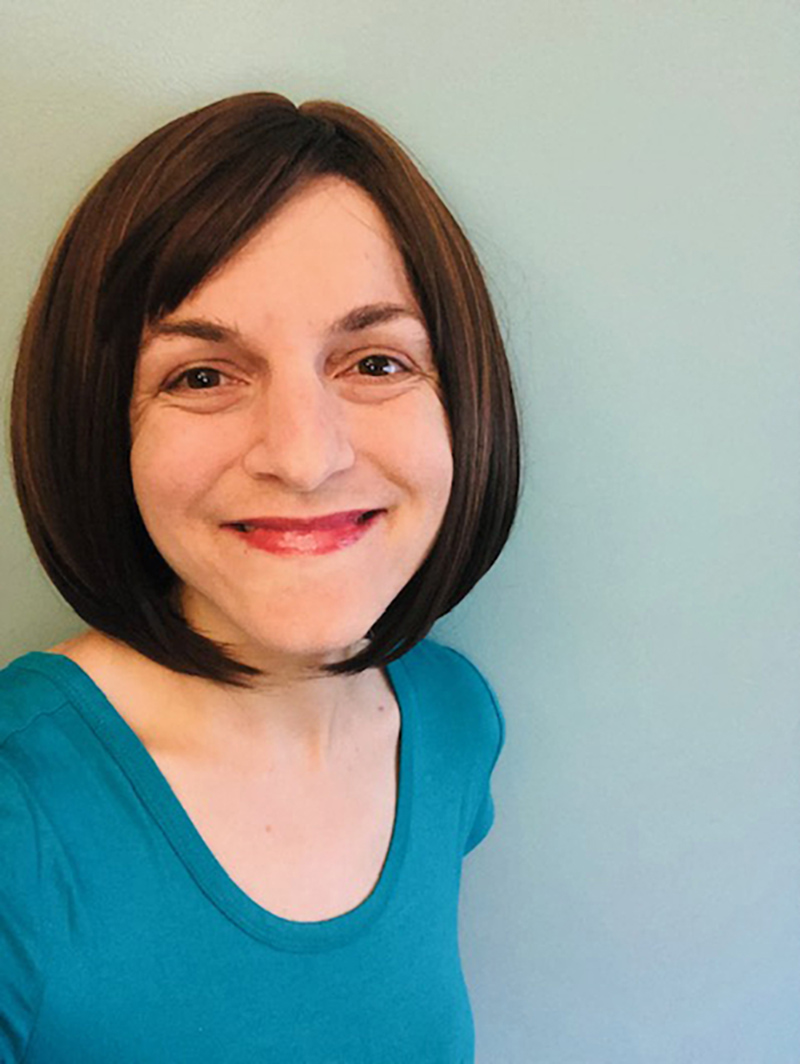
Dr. Kashia Rosenau, PhD
Dr. Emily Hotez, PhD

Behaviorism Doesn’t Create Safety: An Affirming Approach to Autistic Wandering

Dr. Kashia Rosenau, PhD (she/her)
Dr. Emily Hotez, PhD (she/her)
Modal Title
Dr. Kashia Rosenau, PhD
Dr. Kashia Rosenau, PhD (she/her)
Dr. Emily Hotez, PhD
Dr. Emily Hotez, PhD (she/her)

Behaviorism Doesn’t Create Safety: An Affirming Approach to Autistic Wandering

Autistic wandering puts kids’ lives at risk. But traditional approaches miss the mark on finding the deeper reasons why Autistic kids are wandering and supporting them to stay safe. In this talk, developmental psychologists and researchers Dr. Kashia Rosenau & Dr. Emily Hotez detail neurodiversity-affirming approaches to wandering that focus on promoting health, well-being, and thriving, rather than compliance.
Objective One
Critique the impact of behavioral approaches intended to reduce Autistic wandering for Autistic individuals.
Objective Two
Contrast the impact of affirming supports for reducing Autistic wandering with the impact of behavioral approaches.
Objective Three
Create support plans that reduce Autistic wandering using neurodiversity-affirming principles.

Dr. Kashia Rosenau, PhD (she/her)

Dr. Kashia Rosenau, PhD is a developmental psychologist and an Assistant Professor in the Department of Medicine at UCLA. She is also the Training Director for the Leadership Education in Neurodevelopmental and Related Disabilities (UC-LEND) training program and the Clinical Director of the UC-LEND Clinic. Her work focuses on cognitive behavioral therapy for gender diverse neurodivergent adults and increasing access to knowledgeable providers. Dr. Rosenau is collaborating with an interdisciplinary team to improve primary care for Autistic individuals and is actively working to improve disability curriculum in medical schools.
Financial: Dr. Kashia Rosenau receives compensation for her work as a developmental psychologist and an Assistant Professor in the Department of Medicine at UCLA. She is also the Training Director for the Leadership Education in Neurodevelopmental and Related Disabilities (UC-LEND) training program and the Clinical Director of the UC-LEND Clinic. She is paid for both of these roles. Dr. Rosenau was paid a speaking fee from Learn Play Thrive for sales of the Neurodiversity Summit.

Nonfinancial: Dr. Kashia Rosenau has family and colleagues who identify as neurodivergent.

Dr. Emily Hotez, PhD (she/her)

Dr. Emily Hotez, Ph.D. is an Assistant Professor and developmental psychology researcher at the University of California, Los Angeles, David Geffen School of Medicine. She currently serves on the leadership teams of two HRSA autism research networks: The Autism Intervention Research Network on Physical Health (AIR-P) and The Autism Transitions Research Project (ATRP). In these roles, she prioritizes research that promotes the health, well-being, and thriving of Autistic individuals across the life course. Dr. Hotez also directs several research, quality improvement, and medical education initiatives focusing on the role of social determinants of health for this population. In this work, she prioritizes a life course approach and is currently a member of the World Health Organization (WHO) life course intervention working group. Across all of Dr. Hotez’s research, she relies on methodologies that are driven by the individuals, communities, and populations that the research seeks to serve. Currently, she has the privilege of co-directing the AIR-P Autistic and Neurodivergent Scholars Working for Equity in Research (ANSWER) committee. As a sister of an Autistic adult, she is both professionally and personally committed to the success of this effort. Dr. Hotez received her B.A. in psychology from George Washington University and her Ph.D. in developmental psychology from the Graduate Center of the City University of New York.
Financial: Dr. Emily Hotez receives compensation for her role as an Assistant Professor and developmental psychology researcher at the University of California, Los Angeles, David Geffen School of Medicine. Dr. Hotez was paid a speaking fee from Learn Play Thrive for sales of the Neurodiversity Summit.

Nonfinancial: Dr. Emily Hotez currently volunteers on the leadership teams of two HRSA autism research networks: The Autism Intervention Research Network on Physical Health (AIR-P) and The Autism Transitions Research Project (ATRP). In this work, she prioritizes a life course approach and is currently a member of the World Health Organization (WHO) life course intervention working group. Currently, she has the privilege of co-directing the AIR-P Autistic and Neurodivergent Scholars Working for Equity in Research (ANSWER) committee. Dr. Hotez has family and colleagues who identify as neurodivergent.
The recorded materials in these courses were last updated June 2024. Behaviorism Doesn’t Create Safety: An Affirming Approach to Autistic Wandering, Course #5927, is approved by the Association of Social Work Boards (ASWB) Approved Continuing Education (ACE) program to be offered by Learn Play Thrive LLC as an individual course. Regulatory boards are the final authority on courses accepted for continuing education credit. ACE course approval period: 09/19/2024 – 09/19/2026. Social workers completing this course receive 1.5 clinical continuing education credits.
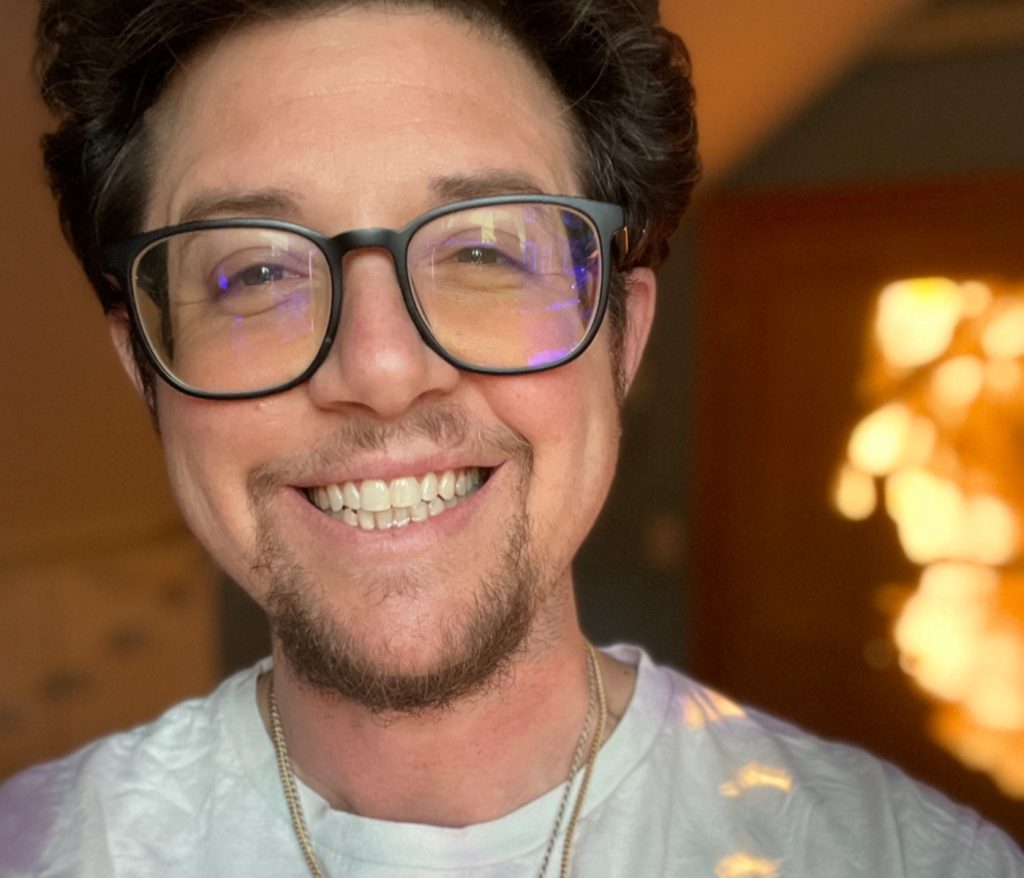
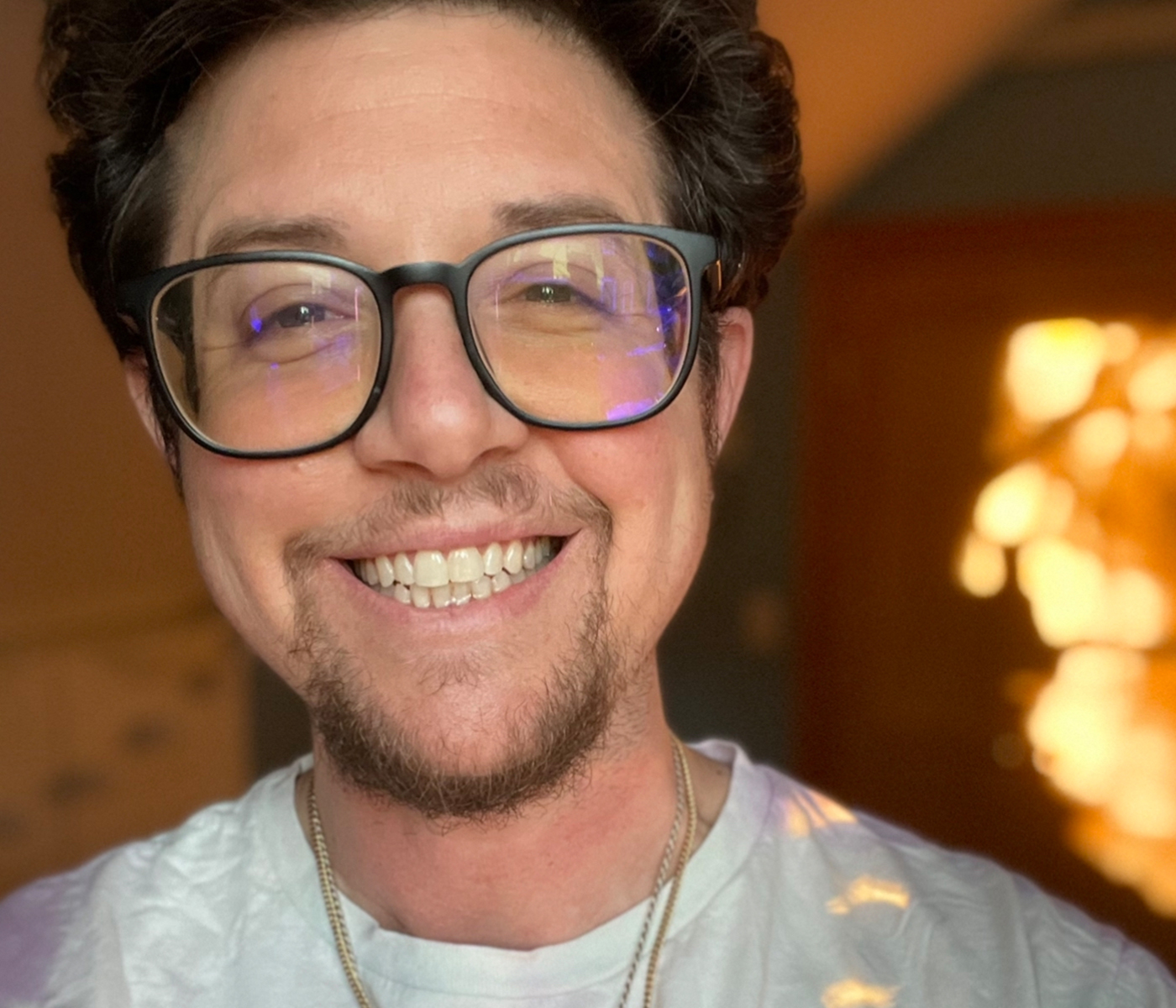
Matt Lowry, LPP

Understanding the Autistic Neurotype: A Deep-Dive from an Autistic Psychologist

Matt Lowry, LPP
Modal Title
Matt Lowry, LPP

Understanding the Autistic Neurotype: A Deep-Dive from an Autistic Psychologist

It’s pretty tough to practice in a strengths-based way when we’ve never truly learned about the Autistic neurotype. In this talk, Autistic psychologist Matt Lowry draws from lived experience and research to dive into how Autistic people experience the world, and what every person supporting Autistic folks should know. If you’re new to neurodiversity – or want to deepen your understanding – start the summit here with this talk.
Objective One
Critique previously held beliefs about autism and Autistic people based on the lived experiences of Autistic adults and the double empathy problem research.
Objective Two
Apply an understanding of Autistic neurology to evaluations, therapy sessions, and educational settings with Autistic clients.
Objective Three
Generate therapy strategies that support authentic Autistic expression while working towards session goals.

Matt Lowry, LPP

Matt Lowry, (he/him) LPP is a licensed psychological practitioner who provides diagnostics and therapy to Autistic people using an Autistic-affirming framework. Matt has studied autism and Autistic people for over two decades, and is himself an Autistic person. Matt works to educate people about Autistic traits and Autistic Culture though professional trainings, professional consultations, and his podcast, The Autistic Culture Podcast. From this strengths-based perspective, Matt helps Autistic people create a life that is compatible with their Autistic neurology, and helps Autistic people find pride in their Autistic culture. Matt has previously worked in a school-based setting, in inpatient settings, and in community mental health.
FINANCIAL: Matt is the owner of Child & Adolescent Psychological Evaluations, LLC and receives compensation for his work. He does trainings and consultations with Maisie Soetantyo and school districts and receives compensation for his work. He receives commission from Learn Play Thrive for sales of the Neurodiversity Summit.

NONFINANCIAL: Matt is Autistic and has friends, family members, and colleges who are Autistic. Matt runs the Autistic Culture Podcast and the Autistic Connection Facebook group. Matt serves as a council member for the Kentucky Advisory Council on Autism.
Kelly Mahler, OTD, OTR/L
KIm Clairy, MSOT, OTR/L

What is My Body Telling Me and Why Does It Matter?: Interoception as the Foundation for Understanding and Communicating How You Uniquely Feel

Kelly Mahler, OTD, OTR/L
Kim Clairy, MSOT, OTR/L
Modal Title
Kelly Mahler, OTD, OTR/L
KIm Clairy, MSOT, OTR/L
Kim Clairy, MSOT, OTR/L
2023-06-30 12:00:00

What is My Body Telling Me and Why Does It Matter?: Interoception as the Foundation for Understanding and Communicating How You Uniquely Feel

So often we try to teach our Autistic clients about emotions by starting with facial expressions. But for our clients who have trouble tapping into how they feel inside of their bodies, this doesn’t truly support them. In this talk, OT Kelly Mahler and Autistic OT Kim Clairy help us apply an interoception lens to support our clients to learn about and advocate for their own authentic inner needs and experiences.
Objective One
Generate a description of interoception, the 8th sense that can be used with clients and/or their families.
Objective Two
Analyze the connection between interoception and understanding/communicating how you feel.
Objective Three
Plan at least one strategy that providers can use to support the interoception growth and the ability to engage in daily occupations in clients of all ages.

Kelly Mahler, OTD, OTR/L

Kelly Mahler (she/her), OTD, OTR/L, earned a Doctorate in Occupational Therapy from Misericordia University in Dallas, PA. She has been an occupational therapist for 20 years, serving school-aged children and adults. Kelly is winner of multiple awards, including the 2020 American Occupational Therapy Association Emerging and Innovative Practice Award & a Mom’s Choice Gold Medal. She is an adjunct faculty member at Elizabethtown College as well as at Misericordia University. Kelly is a co-principal investigator in several research projects pertaining to topics such as interoception, self-regulation, trauma & autism.
FINANCIAL: Kelly is the owner of Mahler OT services and receives compensation for speaking services and for the sales of her self-published resources. She receives commission from Learn Play Thrive for sales of the Neurodiversity Summit.
NONFINANCIAL: Kelly has friends, family members, and colleagues who are Autistic.

Kim Clairy, MSOT, OTR/L

Kim Clairy (she/her), MSOT, OTR/L, is an autistic occupational therapist, international speaker, consultant, author, and self-advocate. Kim broke through many barriers as she defied a healthcare system that said, “your autism is severe; you need to live in a nursing home.” Her difficult healthcare experiences forged a passion for educating others on autism. Using personal experiences and professional expertise Kim educates on many facets of autism across the lifespan including eating disorders, trauma, mental health, relationships, self-awareness, sensory processing, classroom inclusion, community integration, problem-solving through challenging behaviors, and much more! When not speaking about autism, Kim can be found doing her other special interests-creating visual and aural rock art in the creek, searching for artifacts in the woods, and climbing trees!
FINANCIAL: Kim is a part of Autism Out of the Box, LLC which receives compensation for speaking services. Autism Out of the Box LLC receives commission from Learn Play Thrive for sales of the Neurodiversity Summit.
NONFINANCIAL: Kim is Autistic and has friends and colleagues who are Autistic.
Lydia X. Z. Brown

Beyond Treatment and Service Provision: Disability Justice for Our Futures and Our Freedom

Ly Xīnzhèn Zhǎngsūn, J.D.
Modal Title
Lydia X. Z. Brown

Beyond Treatment and Service Provision: Disability Justice for Our Futures and Our Freedom

Racism and ableism are inextricably bound together. They inevitably show up in our worldviews, shaping how we do our work and how we understand it. In this talk, Ly Xīnzhèn (Lydia X. Z. Brown) helps us understand the disability justice framework, vision, and praxis so that our work can begin to truly align with and reflect our values.
Objective One
Analyze the relationship between systemic discrimination and disability, identifying at least three ways this impacts disabled students.
Objective Two
Generate two strategies that strategically challenge ableism in your workplace or your client’s life.
Objective Three
Create a support plan using at least two Disability Justice-informed strategies.

Ly Xīnzhèn Zhǎngsūn, J.D.

Ly Xīnzhèn Zhǎngsūn, (they/them) is the Director of Public Policy at the National Disability Institute, which works to advance economic opportunity and freedom for people with disabilities. Lydia is also the founding Executive Director of the Autistic People of Color Fund, which advocates for disability, racial, and economic justice with a focus on building generative economies and just transition while providing mutual aid, peer support, and community-funded reparations. They bring nearly 15 years of experience as a committed advocate, community organizer, and policy expert at the nexus of disability rights and disability justice. Ly has spoken, facilitated, and consulted internationally and throughout the U.S. on a range of topics related to disability rights and disability justice, especially at the intersections of race, class, gender, and sexuality, and has published in numerous scholarly and community publications. Their work addresses the deep interconnections between ableism and other forms of systemic discrimination, marginalization, and oppression, and has often focused on interpersonal, state, and corporate violence, deprivation, and exploitation targeting disabled people at the margins of the margins. Ly Xīnzhèn teaches at Georgetown University, holding faculty appointments in Disability Studies, Women’s & Gender Studies, and the Leadership Education in Neurodevelopmental Disabilities Fellowship Program at the Georgetown University Center for Excellence in Developmental Disabilities. They also teach for American University’s Department of Critical Race, Gender, and Culture Studies in the American Studies program. Ly currently serves as Co-President of the Disability Rights Bar Association, member of the National Executive Committee of the National Lawyers Guild, and founding board member of the Alliance for Self-Direction and Disability Rights. They are a Senior Advisor to the Autistic Women & Nonbinary Network and Disability Rights Special Advisor for the American Bar Association’s Section on Civil Rights & Social Justice. Ly also serves as an advisor for the Transgender Law Center’s Disability Project, the Nonbinary & Intersex Recognition Project, and Disability Rights Maryland’s PAIMI (Protection & Advocacy for Individuals with Mental Illness) Program. Previously, Ly served as Policy Counsel for the Privacy & Data Project at the Center for Democracy & Technology, where they focused on disability rights and algorithmic fairness and justice. Lydia’s work investigated algorithmic harm and injustice in public benefits determinations, hiring algorithms, and algorithmic surveillance that disproportionately impact disabled people, particularly multiply-marginalized disabled people. Lydia also previously served as Director of Policy, Advocacy, & External Affairs at the Autistic Women & Nonbinary Network, where they led AWN’s work in advancing gender justice, racial justice, and disability justice in the neurodiversity and disability rights movements. Lydia has also worked on disability rights and algorithmic fairness at Georgetown Law’s Institute for Tech Law and Policy, served as Justice Catalyst Fellow at the Bazelon Center for Mental Health Law where they advocated for disabled students’ civil rights in schools, served as Chairperson of the Massachusetts Developmental Disabilities Council, and taught as an adjunct professor of disability policy and social movements at Tufts University. Among others, Ly has received honors from the Obama White House, the Society for Disability Studies, the American Association of People with Disabilities, the National Disability Mentoring Coalition, and the Disability Policy Consortium. In 2015, Pacific Standard named Lydia to its list of Top 30 Thinkers in the Social Sciences Under 30, and Mic named Ly to its inaugural list of 50 impactful leaders, cultural influencers, and breakthrough innovators for the next generation. In 2018, NBC named Lydia to its list of Asian Pacific American breakthrough leaders, and Amplifier featured them in the We The Future campaign honoring youth activism. In 2020, Gold House Foundation named Lydia to its A100 list of America’s most impactful Asians, and in 2021, they were recognized by Public Knowledge’s 20/20 Visionary Awards as a future leader who will drive tech policy in the public interest for the next 20 years, named to them.’s Now List of LGBTQ+ Visionaries working to better our community during a uniquely challenging era, and honored by NowThis Next as a change-maker of the world for Disability Rights. Ly appears in the HBO documentary Persona: The Dark Side of Personality Tests and the forthcoming independent documentaries I Identify As Me and My Disability Roadmap. Ly Xīnzhèn holds a bachelor’s degree in Arabic from Georgetown University, and a J.D. with joint concentrations in Criminal Law and Justice and in International Law and Human Rights from Northeastern University School of Law.  
Financial: Ly Xīnzhèn receives a salary from Georgetown University, including the federally-funded University Center for Excellence in Developmental Disabilities. Ly Xīnzhèn is the Director of Public Policy at National Disability Institute and Executive Director for the Autistic People of Color Fund and receives compensation for their work. Ly Xīnzhèn is also the Senior Advisor to the Autistic Women and Non-binary Network and receives compensation. Ly Xīnzhèn is the owner/principal of an independent consulting firm, Mycelia Groundwork, LLC and receives compensation for their work. Ly Xīnzhèn receives commission from Learn Play Thrive for sales of their course Beyond Treatment and Service Provision: Disability Justice for Our Futures and Our Freedom.

Nonfinancial: Ly Xīnzhèn is an unpaid board treasurer of the Disability Rights Bar Association. Ly Xīnzhèn is an unpaid board member of the National Executive Committee of the National Lawyers Guild, Alliance for Self-Direction and Disability Rights (Alliance for Citizen-Directed Supports), and Disability Power Bloc (formerly SPM Disability Justice Fund). Ly Xīnzhèn is an unpaid Disability Rights Special Advisor for the American Bar Association. Ly Xīnzhèn is Autistic. Ly Xīnzhèn also has friends and colleagues who are Autistic and has worked as an unpaid caregiver or support person for other Autistic people.
Caroline Gaddy,MFA, MA, CCC-SLP

Compliance or Connection: Deconstructing “Social Skills” Support for Autistic Individuals

Caroline Gaddy, MFA, MA, CCC-SLP
Modal Title
Caroline Gaddy,MFA, MA, CCC-SLP

Compliance or Connection: Deconstructing “Social Skills” Support for Autistic Individuals

The verdict is in: teaching neurotypical social “skills” to Autistic clients creates unfulfilling social relationships and harms their mental health. It’s linked to depression, PTSD, and suicidal ideation. But what does it look like to help our Autistic clients unmask and be their true selves in their social relationships instead? In this talk, Autistic SLP Caroline Gaddy helps us deeply understand the toll of Autistic masking and offers us a concrete path to support our Autistic clients in forming meaningful, authentic, fulfilling relationships.
Objective One
Contrast Autistic and allistic social communication styles.
Objective Two
Apply an understanding of the double empathy problem to prospective goals for Autistic clients.
Objective Three
Construct therapeutic activities that foster authentic Autistic social communication rather than promoting masking.

Caroline Gaddy, MFA, MA, CCC-SLP

Caroline Gaddy, MFA, MA, CCC-SLP (she/they) is a neuroqueer and disabled speech-language pathologist, AAC specialist, and educator. They infodump / educate on neurodiversity-affirming practices with passion and humor. Caroline deeply believes in disability justice, inclusion, and that communication is a fundamental human right.
FINANCIAL: Caroline receives commission Learn Play Thrive, LLC for the Neurodiversity Summit. They are the owner of Vibrant Minds, LLC and receive compensation for speaking and consulting services. Caroline is a full-time employee of Tobii Dynavox and receives a salary.

NON-FINANCIAL: Caroline serves as the Vice Chair for the Disability Caucus of ASHA. Caroline is Autistic and has friends and family who are also Autistic.
Ruchi Kapila

Autistic People are More Likely to be Gender Non-Conforming: What Does This Mean for Your Practice?

Ruchi Kapila, M.S., CCC-SLP
Modal Title
Ruchi Kapila

Autistic People are More Likely to be Gender Non-Conforming: What Does This Mean for Your Practice?

When navigating our clients’ gender identities, we have a choice: we can be curious and affirming, or we can create more barriers to our clients’ authentic participation and development. Without the right training, it can be hard for therapists to know the best way to support their clients’ gender identity development. In this talk, neurodivergent SLP Ruchi Kapila teaches us how to truly create safe spaces for our trans and gender nonconforming clients in our work.
Objective One
Differentiate barriers trans and gender nonconforming (TGNC) neurodivergent individuals experience when accessing care.
Objective Two
Implement at least 3 examples of gender-affirming practices in the lens of neurodiversity-affirming care in their clinical setting.
Objective Three
Defend use of the gender-affirming care lens in provision of neurodiversity-affirming care in their respective clinical setting.

Ruchi Kapila, M.S., CCC-SLP

Ruchi Kapila (they/them; she/her), M.S., CCC-SLP is owner of Kapila Voice and Speech Services in Hayward, CA, where they practice as a speech-language pathologist and singing voice specialist focusing on holistic, gender-affirming speech and voice services across the lifespan. Previously, she worked primarily in acute care and acute rehabilitation hospital settings focusing on assessment and treatment for dysphagia, cognitive-communication disorders, aphasia, motor speech disorders, and beyond. Their passion lies in exploring counseling, motivational interviewing, and trauma-informed considerations in gender-affirming voice care to center the client’s needs and perspectives in the therapeutic relationship.
FINANCIAL: Ruchi is the owner and sole proprietor of Kapila Voice and Speech Services in Hayward, CA and a paid content contributor for CREDIT Institute. Ruchi receives commission for the sale of the Learn Play Thrive Neurodiversity Summit.

NONFINANCIAL: They are a founding member and organizer of Trans Voice Initiative and a member who serves in a research role in the multicultural constituency group, The Disability Caucus. Ruchi is also a recent officer/member for L’GASP (LGBTQ caucus of the American Speech-Language Hearing Association). They are also a non-binary, neurodivergent individual.
Casey Elrich
Dr. Mel Houser

Navigating Demand Avoidance: Threat, Safety and ‘Foot on the Gas’

Casey Ehrlich, PhD
Melissa Houser, MD
Modal Title
Casey Elrich
Casey Ehrlich, PhD
Dr. Mel Houser
Melissa Houser, MD

Navigating Demand Avoidance: Threat, Safety and ‘Foot on the Gas’

For many Autistic kids, more structure creates more safety. But for those with a demand avoidant profile, autonomy is key. Demand avoidance is one of the most misunderstood topics in autism. In this talk, Casey Ehrlich (social researcher) and Mel Houser (PDA Autistic family physician) teach us a concrete framework to support our clients in a way that honors our clients’ autonomy, reduces power struggles, and cultivates true safety.
Objective One
Through the lens of neuroception and in coordination with the client’s caregiver, evaluate the impact of fluctuating external and internal demands on participation in daily routines and activities for demand avoidant Autistic clients.
Objective Two
Create a plan for adapting session design to reduce stressors for clients with a PDA profile.
Objective Three
Analyze the role of the impact of clinician’s cognitive and energetic management during sessions as related to supporting demand avoidant clients.

Casey Ehrlich, PhD

Casey Ehrlich, Ph.D. (she/her) is a social scientist, parent coach and educator, and the CEO and founder of At Peace Parents, LLC.  Casey brings 15 years of work experience and expertise in social science methodology to help parents and therapists understand how to connect with and accommodate PDA Autistic children. She specializes in teaching parents and therapists practical skills in the home or clinical setting to accommodate neuroception-driven demand avoidance and nervous system differences through creative techniques. Her original research as a social scientist was conducted on post-conflict reconciliation, social capital, trust, and trauma in Colombia, South America – themes she brings to her work with parents, therapists, and teachers. She has served more than 1,000 families raising Autistic, PDA Autistic, ADHD and traumatized children since 2020 and is also raising a PDA Autistic son.
FINANCIAL: Casey is the founder of At Peace Parents, LLC and receives compensation for her work. She receives commission from Learn Play Thrive for sales of the Neurodiversity Summit.

NONFINANCIAL: Casey’s son is Pathologically Demand Avoidant. She has friends, family, and colleagues who are Autistic.

Melissa Houser, MD

Dr. Mel Houser (she/they) is a PDA autistic ADHDer who is a Board-certified family physician with a clinical focus on providing primary care for neurodivergent patients across the lifespan. She is the Founder and Executive Director of All Brains Belong VT, a nonprofit organization in Montpelier, Vermont providing neurodiversity-affirming healthcare, education, and social connection opportunities for kids and adults. At age 37, Dr. Houser was diagnosed as autistic, ADHD, dyspraxic, dyslexic, and dyscalculic in the context of autistic burnout. This was the impetus for her to shift her career to reimagining healthcare and other systems that aren’t working for the autistic community. She is also the parent of a 6 year old PDAer, whom she considers her greatest teacher.
FINANCIAL: Mel is the owner of All Brains Belong VT and receives a salary for her work. She receives commission from Learn Play Thrive for sales of the Neurodiversity Summit.
NONFINANCIAL: Mel is Autistic and Pathologically Demand Avoidant. She has friends, family, and colleagues who are Autistic. Mel also provides professional consultation and educational training regarding neuroinclusive healthcare, neuroinclusive employment and related topics.
Karina Saechao, M.A., CCC-SLP

AAC for All: Strategizing through Barriers to Accessing AAC and Literacy in Systemically Marginalized Communities

Karina Saechao, M.A., CCC-SLP
Modal Title
Karina Saechao, M.A., CCC-SLP

AAC for All: Strategizing through Barriers to Accessing AAC and Literacy in Systemically Marginalized Communities

We know how important AAC access is for many of Autistic clients, but what are their access barriers, and what is our role in dismantling them? In this talk, SLP Karina Saechao ties together AAC and literacy with systemic racism in our practices, in our AAC devices, and in our worlds. Then, she walks us through the steps we can take in our work to increase communication access for marginalized communities.
Objective One
Examine and evaluate at least three persistent barriers that members of systemically marginalized communities face in the provision of AAC services.
Objective Two
Compare the discrepancies between best practices for AAC service delivery to current trends that prevent the provision of equitable AAC services to members of systemically marginalized communities.
Objective Three
Formulate at least three solutions for providing appropriate AAC and literacy assessments, services, and tools to increase access to communication and meaningful occupations for members of systemically marginalized communities.

Karina Saechao, M.A., CCC-SLP

Karina Saechao, M.A., CCC-SLP (she/her) is an SLP, researcher, scholar, and activist who strives to increase equity, access, and outcomes as related to research, clinical practice, and course curriculum. Karina holds a certificate as an assistive technology specialist from CSU, Northridge, and is a Ph.D. student. Karina’s research interests are in the areas of African American English, child language acquisition, language impairments, and augmentative alternative communication. Karina is the Founder & CEO of Golden Oak Speech Therapy. Karina frequently presents on topics in the areas of African American English; AAC; AT; creating inclusive environments; power, privilege, and race; and cultural humility.

FINANCIAL: Karina is the founder and CEO of Golden Oak Speech Therapy, a professional Speech Pathology corporation, and receives compensation for her work. Karina is also the founder of Yay Language, LLC and receives compensation for her work. She receives commission from Learn Play Thrive for sales of her courses AAC for All: Strategizing through Barriers to Accessing AAC. Karina was a contributor for the Authentic AAC course and received payment from Learn Play Thrive for her contribution.

NON-FINANCIAL: Karina is a member of the American Speech-Language-Hearing Association (ASHA) and the National Black Association of Speech Language Hearing (NBASLH), and ASHA Special Interest Groups 01, 12, and 14.
Dr. Gillian Boudreau

Stress Steals Bandwidth: Cultivating a More Equitable Culture of Calm When Working with Children

Dr. Gillian Boudreau, PhD
Modal Title
Dr. Gillian Boudreau

Stress Steals Bandwidth: Cultivating a More Equitable Culture of Calm When Working with Children

So often in our work we start with developmental norms and therapy goals, without realizing that our clients aren’t yet feeling safe enough to learn. In this talk, psychologist Gillian Boudreau transforms how we think about ourselves and our own regulation, how we approach our clients in our sessions, and how we set up our therapy spaces, consistently placing safety front and center.
Objective One
Examine the impact of fear and stress on the cognitive availability of individuals and groups, and differentiate between the impact on neurotypical versus neurodivergent learners.
Objective Two
Critique the validity of common assumptions neurotypical educators may make regarding neurodivergent students, using models like the double empathy problem and stereotype threat.
Objective Three
Formulate new strategies to develop the adult regulation, and subsequent group co-regulation that can restore mental bandwidth to neurodivergent learners and promote engagement in meaningful daily occupations.

Dr. Gillian Boudreau, PhD

Gillian Boudreau (she/her), PhD is a licensed clinical psychologist. Dr. Boudreau has worked with children and families across the country starting in 2008, with the mission of understanding and addressing our human need for attachment, connection, and effective communication in such a way that can help individuals, family systems, school systems, and larger organizations reach their full potential. Dr. Boudreau aligns with the social model of disability and is always seeking to interrogate the system and context in which human challenges emerge with the understanding that humans are inherently whole, and will do well when given the freedom to thrive. Early in her career, Dr. Boudreau developed and directed a comprehensive behavioral program housed within Vermont public schools addressing intensive emotional and behavioral needs. She currently runs a private practice based in Portland, Oregon for children, families and adults with expertise in autism, anxiety and trauma. She is a national speaker on topics including psychological safety and emotional intelligence, teaches graduate courses on trauma, resiliency and mindfulness, and provides ongoing training and consultation for multiple school districts. 

FINANCIAL: Gillian is owner of Gillian Boudreau Therapy and Consulting and receives a salary for her services. She is a lecturer for Vermont High Education Collaborative and is compensated for her work. Gillian also works as a paid consultant for the ASD Nest Support Project and Chittenden Central Supervisory Union/ Essex Westford School District. She receives commission from Learn Play Thrive for sales of the Neurodiversity Summit and for her course Calm Is Contagious.

NONFINANCIAL: Gillian has friends and colleagues who are Autistic.
AC Goldberg, PhD CCC/SLP
Joshuaa Allen Burbank, PhD, CCC-SLP

Liberatory Practices in Action: How Diversity, Equity, & Inclusion Affirm Our Clients’ Personhood

AC Goldberg, PhD CCC/SLP
Joshuaa Allison-Burbank, PhD, CCC-SLP
Modal Title
AC Goldberg, PhD CCC/SLP
Joshuaa Allen Burbank, PhD, CCC-SLP
Joshuaa Allison-Burbank, PhD, CCC-SLP

Liberatory Practices in Action: How Diversity, Equity, & Inclusion Affirm Our Clients’ Personhood

We often hear about diversity, equity and inclusion, but what does that look like in practice, and why does it matter so much? In this talk, SLPs AC Goldeberg and Joshuaa Allison-Burbank answer these questions in a way that will leave you excited to honor your clients’ identities even more deeply than before.
Objective One
Evaluate current practices through a diversity, equity, and inclusion lens to determine changes to be made in order to affirm and honor everyone’s personhood.
Objective Two
Apply a liberatory lens to assessment and treatment that enables authenticity in communication and participation in daily routines.
Objective Three
Create a plan to update therapeutic spaces to honor self-determination and cultural/community values of all people.

AC Goldberg, PhD CCC/SLP

AC Goldberg (he/him) PhD CCC-SLP is a physically disabled intersex/transgender DEI consultant and SLP whose mission is to cultivate affirming spaces for ALL people. AC’s work centers around empathy, humanity and intersectional cultural responsiveness. He delivers high impact keynote speeches, facilitates transformative workshops and provides consulting around strategic initiatives and policy. Known for his thoughtful and relatable presentations emphasizing humanity, learning with AC allows everyone to develop a common understanding of crucial topics related to DEI.  His continuing education nonprofit, The CREDIT Institute, is dedicated to advancing equity in educational and healthcare settings. AC is the 2022 recipient of the American Speech Language Hearing Association’s (ASHA) Outstanding Service Award.
FINANCIAL: AC is the founder of Transplaining LLC and The CREDIT Institute Inc and receives compensation for his work. He is a paid community partner with CHAT Life Changing Speech Therapy. He is a contractor with Prismatic Speech Services and receives compensation for his work. He is a part time faculty at Northeastern University and receives a salary. He receives commission from Learn Play Thrive for sales of the Neurodiversity Summit.

NON-FINANCIAL: AC is a founding member of the Trans Voice Initiative. He is a 2023 ASHA Convention Planning Committee Diversity Co-Chair. AC serves on the community advisory board overseeing research out of Boston University about the effects of exogenous testosterone therapy on communication in AFAB speakers. He’s also on the editorial board of the Journal of Communication Disorders.

Joshuaa Allison-Burbank, PhD, CCC-SLP

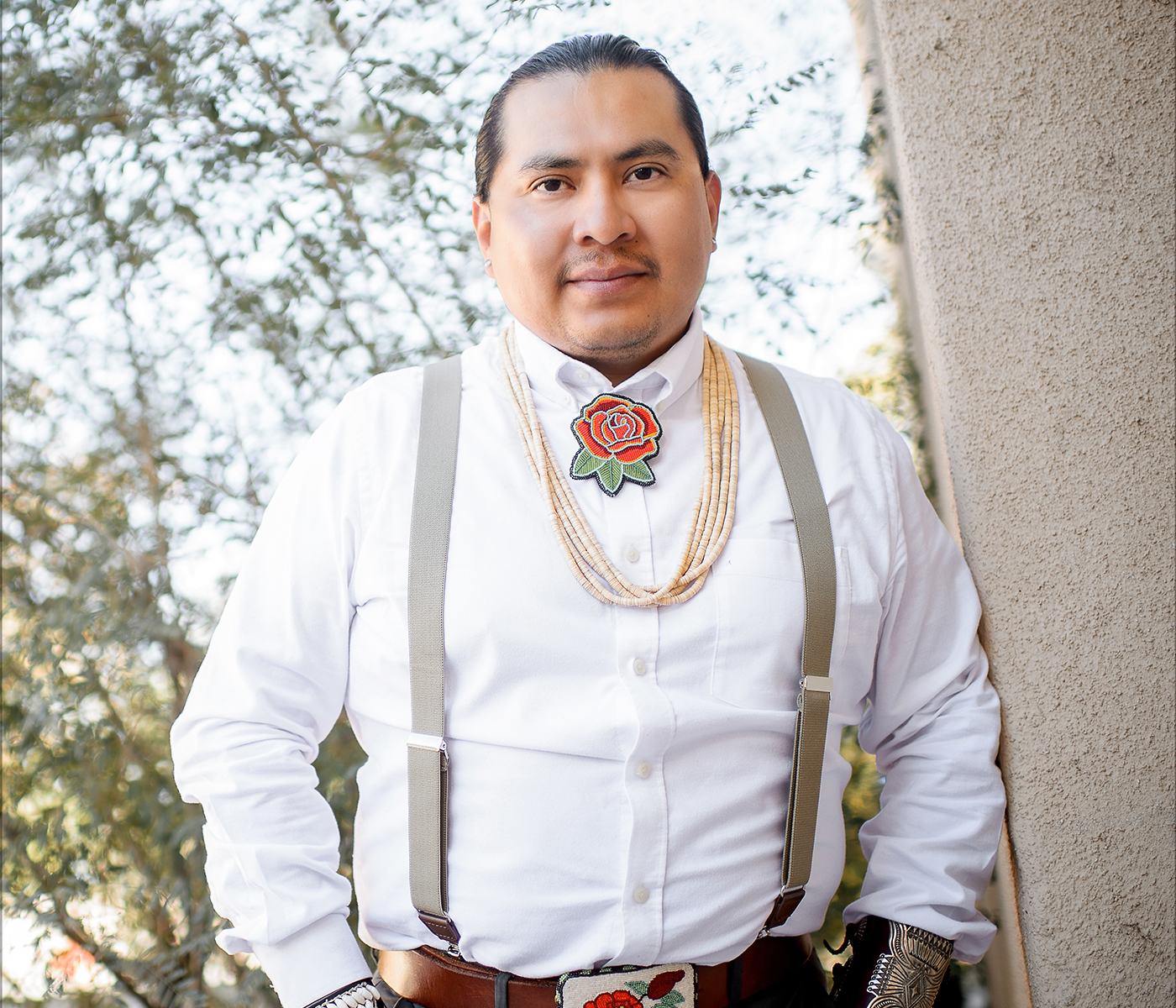
Joshuaa D. Allison-Burbank, PhD, CCC-SLP is Diné and Acoma Pueblo (he/him). His clans are T’ógi, Parrot Clan (Acoma), Tó’áhani, and Yellow Corn (Acoma). Joshuaa is a licensed speech-language pathologist and assistant scientist at Johns Hopkins Bloomberg School of Public Health. He previously worked at Northern Navajo Medical Center in Tsé Bitaí, Navajo Nation. He continues to provide developmental services to Diné families enrolled in the Navajo Nation Early Intervention Program. His research interests include community assessment, parent coaching, assessing the effects of stress on neurodevelopment, and the prevention of developmental delay in American Indian children. He also conducts professional coaching and trainings on anti-racist practices and decolonization and how to incorporate into curriculum development, Indigenous caregiver coaching, and community health interventions.
FINANCIAL: Joshuaa is a full-time paid faculty member at Johns Hopkins University and receives a salary. He receives commission from Learn Play Thrive for sales of the Neurodiversity Summit.

NON-FINANCIAL: Joshuaa is Diné and Acoma Pueblo.

This summit is
for you if...

What learners said about the ND Basics Bundle

This is more than just a CE course.

Group Discounts

3 participants: 15% off
4+ participants: 20% off
7+ participants: 30% off
50+ participants: please inquire

For 2024 LPT Summit participants who want to access the talks again, the cost is $40. Each learner must watch the talks individually to receive credit.

Learn from a Neurodiverse Panel

Because Autistic people are the experts on autism, every speaker on our panel is listening to and learning from the Autistic community, and many are Autistic themselves. The talks in this summit are all reviewed by a neurodiverse panel of professionals to ensure they are relevant to the clinical practices of OTs, SLPs, social workers, and school psychologists, and aligned with LPT's values of neurodiversity and intersectionality.

Frequently Asked Questions

This course is developed for OTs, SLPs, social workers, counselors, school psychologists, and other professionals who support Autistic kids. This is not a course designed for parents.
 
This course is targeted at the intermediate level.
 
The course format is recorded self-paced online.

The topics in these courses apply throughout the lifespan. The specific examples and strategies given in the talks are mostly focused on children from toddlerhood through adolescence. 

The talks include lectures, slides, videos, case studies, and an opportunity for you to apply your knowledge.

Yes! This summit will include 9 courses registered for .15 AOTA CEUS for each course (total of 13.5 contact hours) and .15 ASHA CEUS for each course. It is registered with NASP for CEUs for school psychologists. Each course is also approved for 1.5 NBCC hours. 
 
This course is not approved by any physical therapy associations. However you can check with your state board to see if it meets your license renewal requirements.

Yes! You’ll have access to the lectures for one year on demand to watch whenever you’d like. 

Yes! If 3 or more people from your company plan to enroll email me the names of everyone enrolling at admin@learnplaythrive.com and we will provide a coupon code. It’s 15% for 3 registrants, 20% off for 4 or more, and 30% off for 7 or more. This does not stack on top of the early bird discount, but may be used in place of it. Each learner will need to sign in to our course platform to complete the course individually to receive credit.

We offer scholarships to therapists from under-resourced countries. Please see our scholarships page for details.

Certificates are issued individually for each talk completed. After completing one 90 minute talk, you must complete a quiz with 75% accuracy (multiple attempts are allowed) and complete a survey. You will then receive your certificate by email. Certificates are issued immediately and typically arrive within minutes. Participants can only recieve 1 certificate per course. 

You will have 12 months to access the courses.

Full refunds are provided within 30 days of purchase if no more than 2 courses have been completed. Email admin@learnplaythrive.com to request a refund. Since this is a self-paced course, there is no option to cancel once the 30 day / 2 course limit has been exceeded. If for any reason the course is canceled by the provider before your registration period has expired, you will receive a full refund.

All videos in this course have closed captions that can be turned on or off. If you have other learning needs, please email admin@learnplaythrive.com before registering. Accommodations will be made to support learners in compliance with the Americans with Disability Act.

You can send an email to admin@learnplaythrive.com

To see our full complaint policy, please visit this page

Learn practical, affirming strategies

so that you can confidently support your clients

and reignite your passion for your work.

The recorded materials in these courses were last updated January 2024.  This course is available for ASHA CEUs starting January 10th, 2024 until January 9th, 2029. ASHA CE Provider approval and use of the Brand Block does not imply endorsement of course content, specific products or clinical procedures. The assignment of AOTA CEUs does not imply endorsement of specific course content, products, or clinical procedures by AOTA.  Learn Play Thrive is approved by the National Association of School Psychologists to provide continuing education for psychologists. Learn Play Thrive maintains responsibility for the program and its content.  NASP Approved Provider # 1172.